
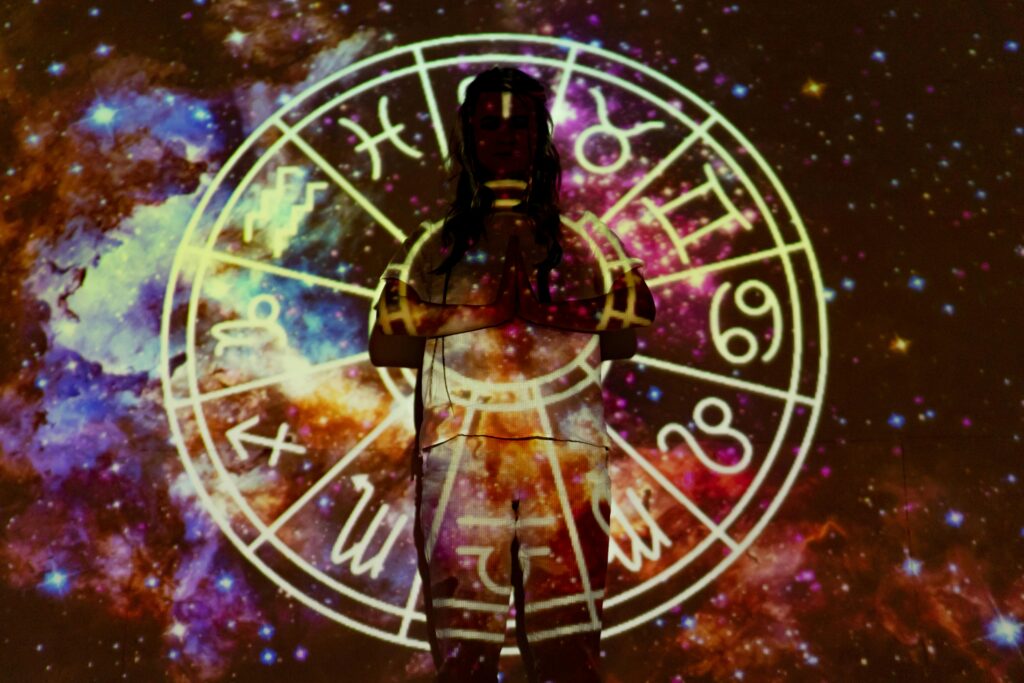
Astrology Based on Western Depictions
Western Astrology is the oldest form of astrology and has been restructured 6 times. It was created around 2000 BC, and was restructured for the first time in 50 BC. Originally, Western astrology was a 36-star group system, solely used to keep time. The 36 star groups were called decans, and are what we call constellations. During the 1st reconstruction in 50 BC, the 12 zodiacs were better integrated in the time-keeping system and depicted Gods as the ruling factor.
The 2nd restructuring took place during the 1st – 7th Centuries BCE, and was devoted to bringing it closer to Hellenistic practices. This was the major combination of ancient Egyptian and Babylonian practices, which introduced the 12-house system and the personal natal chart. The 3rd reconstruction occurred in the 8th-13th centuries, when Medieval and Arabic synthesis occurred. This expanded western astrology into the Islamic territories, combining it with Greek, indian, and Persian traditions.
In the 14th-17th centuries, it was reconstructed for the 4th time. It became an academic subject matter, being linked to medicine and philosophy. In the 19th and 20th centuries, Alan Leo and Carl Jung restructured astrology again to more deeply include themes of occultism and psychology. Lastly, in the late 20th and 21st centuries, Western astrology got its most recent restructuring. It was called the contemporary revival, and it is pushing astrology users to reclaim old Hellenistic and medieval techniques. The 2nd restructuring of Western Astrology was enough to throw it off its course.
Western Astrology went from an accurate time-keeping system, to being an ENTIRE zodiac sign off when depicting the placement of each sign.